
Dry promotions, benefits-maxxing and Lobster learning: the viral job trends to know about to boost your career and pay
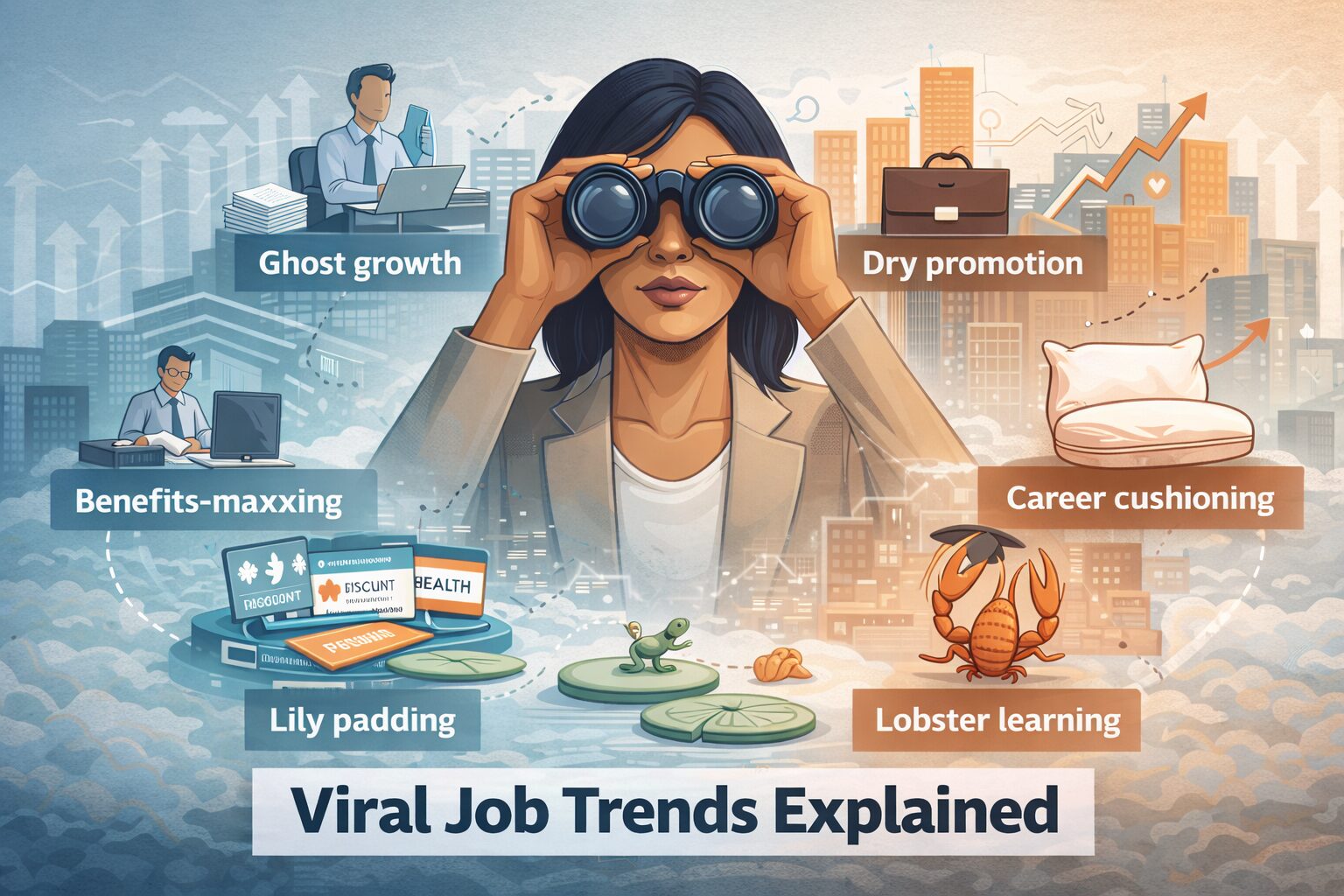
A new wave of viral workplace trends is changing how people think about career growth, pay rises and job security. Popularised on social media and increasingly discussed by career experts, these concepts highlight both the hidden pitfalls of modern work and the strategies employees can use to stay ahead.
At the centre of the conversation is the idea that not all career progression is what it seems.
One of the most widely discussed trends is the so-called “dry promotion.” This occurs when an employee is given a more senior title or additional responsibilities — but without any increase in pay. While it may appear to be a step forward, it can often mean doing significantly more work for the same salary. Experts warn that workers should treat such offers with caution and push for clear timelines or guarantees around future pay increases.
Closely related is “ghost growth,” where a role gradually expands over time without any formal recognition. Employees may find themselves taking on extra duties, managing more tasks, or filling gaps in a team — all without a change in job title or compensation. Because this shift happens slowly, it can be difficult to spot, making it important for workers to regularly review and document their responsibilities.
However, not all trends highlight problems. Some focus on making the most of what you already have. “Benefits-maxxing” encourages employees to fully utilise workplace perks beyond their base salary. From healthcare plans and gym memberships to training budgets and discount schemes, these benefits can add significant value — sometimes worth thousands each year — yet often go underused.
In a more uncertain economic climate, many workers are also turning to “career cushioning.” This strategy involves quietly preparing for potential job loss or change by updating CVs, expanding professional networks, and keeping an eye on new opportunities. Rather than reacting to instability, employees aim to stay one step ahead.
Another increasingly popular approach is “lily padding,” where individuals move between jobs strategically to accelerate their career progression. Instead of waiting years for an internal promotion, workers switch roles to secure higher salaries or better positions. When done thoughtfully, this method can fast-track both earnings and experience.
Finally, the concept of “lobster learning” reflects the need for continuous personal and professional growth. Inspired by the way lobsters shed their shells to grow, the idea encourages workers to keep developing new skills and adapting to change. In a fast-moving job market, standing still can quickly lead to falling behind.
Together, these trends paint a picture of a workforce that is becoming more aware, more strategic, and more willing to challenge traditional career paths. While some highlight ongoing issues — such as unpaid increases in workload — others offer practical ways for employees to take control of their progression.
The underlying message is clear: in today’s workplace, success is no longer just about working hard, but about working smart — understanding your value, recognising hidden patterns, and making deliberate moves to build a stronger, better-paid career.
The Sun – Lynsey Hope